Subtotal $0.00
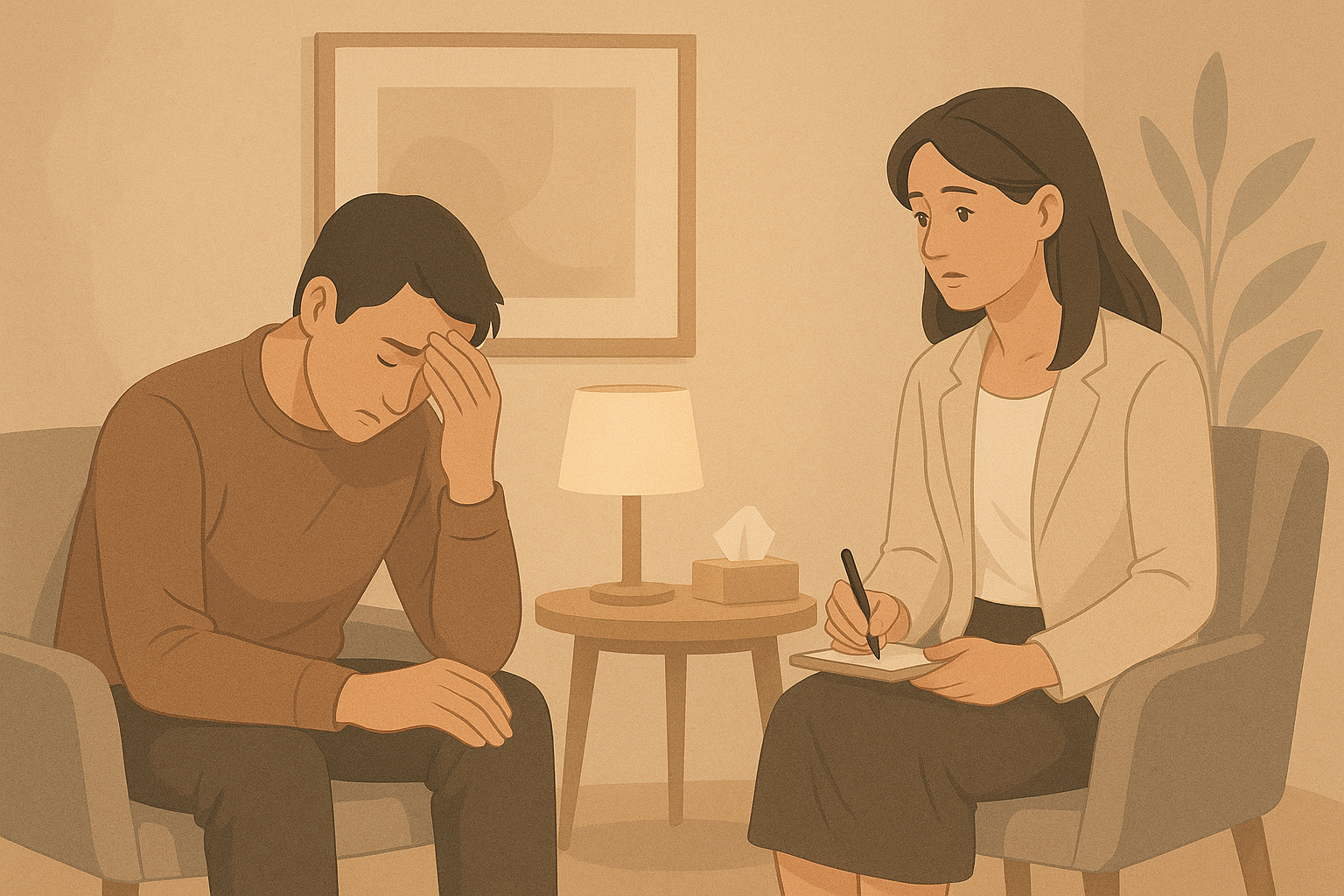
Shame around sex and intimacy is a common human experience — yet it’s rarely discussed openly. Many individuals and couples carry feelings of inadequacy, embarrassment, or self-judgment about their sexual lives. These feelings can deeply affect not only sexual experiences, but also emotional wellbeing, self-confidence, and relationship satisfaction.
In psychosexual therapy, we recognise that sexual wellbeing is intertwined with psychological, relational, cultural, and social factors.
What is ‘Shame’ in Sexual Experience?
Shame often arises when someone feels they don’t measure up to cultural ideals, past experiences, or internalised judgments about what “normal” sexuality should be. Unlike guilt (which relates to behaviour), shame hits at identity — “I am flawed, unworthy, or unacceptable.”
This can show up as:
-
Anxiety in sexual situations
-
Avoidance of intimacy
-
Negative self-talk about desire or performance
-
Embarrassment about one’s body or sexual history
These emotional patterns are important to understand, because they influence not just sexual experiences, but how people show up in relationships.
Why Shame Matters in Psychosexual Health
Shame doesn’t exist in isolation — it affects neurobiology, emotional regulation, and relational trust. When shame becomes entrenched, individuals may withdraw from intimacy, feel disconnected from their bodies, or avoid conversations about desire and pleasure.
Psychosexual therapy offers a space to unpack shame:
-
Explore its origins — e.g., cultural norms, childhood messaging, trauma, or media influences
-
Understand its impact — on desire, performance anxiety, or relational closeness
-
Reframe narratives — allowing clients to separate self-worth from outdated beliefs about sex
This work supports deeper self-awareness, compassion, and healthier sexual and emotional expression.
How Psychosexual Therapy Helps
In practice, psychosexual therapy integrates psychological insight, relationship dynamics, and education about sexual function. It’s not just about “fixing problems” — it’s about understanding the emotional, cognitive, and interpersonal context of sexual experience.
Key components may include:
1. Safe Therapeutic Alliance
A non-judgmental environment where clients can explore intimate concerns without fear of being shamed or dismissed.
2. Cognitive and Emotional Exploration
Identifying patterns of shame — where they began and how they persist — to build alternative, more affirming ways of thinking.
3. Psychoeducation
Accurate information about sexual responses, desire, and physiology helps dispel myths that can fuel shame and self-criticism.
4. Communication Skills
Learning how to talk about desires, boundaries, and fears with partners strengthens intimacy and reduces misunderstanding.
5. Gradual Exposure & Practices
Therapists may guide experiential work or homework that focuses on connection, pleasure awareness, and reducing anxiety around intimacy.
A Note About Couples and Shame
Shame doesn’t only affect individuals — it influences how partners interact, communicate, and support one another. Couples often bring complex emotional histories into their sexual lives. When both partners feel safe, acknowledged, and understood, they can co-create a space that honours curiosity rather than criticism.
Psychosexual therapy can support partners in identifying shared patterns, improving dialogue, and rediscovering emotional closeness.
Shame in sexual experience is a deeply human experience — yet it doesn’t need to define you. Psychosexual therapy doesn’t pathologise clients; it equips them with the insight, tools, and self-compassion needed to navigate shame and move toward more authentic and fulfilling intimacy.
If you’re curious about how shame shows up in your life or relationships, consider reaching out to a trained psychosexual therapist — an expert who can help you explore these concerns with empathy, respect, and clinical skill.
Comments are closed